













Solar Panels | #1 Solar Power Store
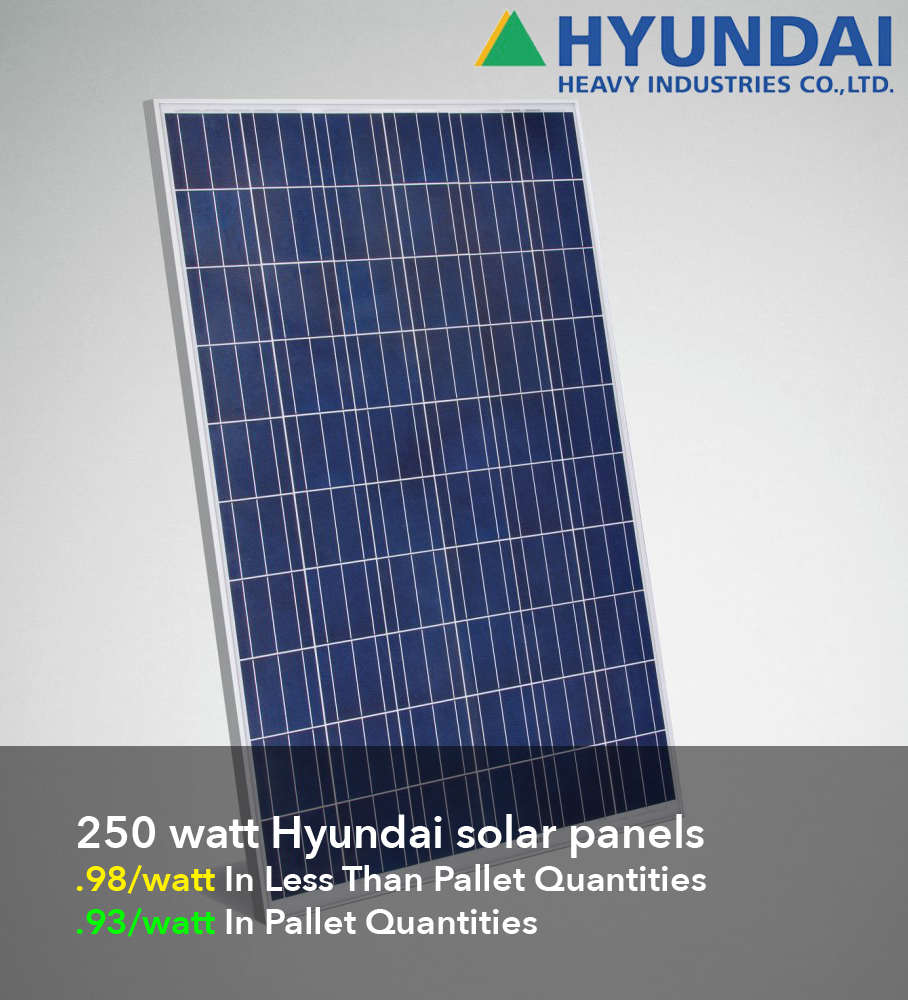
Solar power is the ultimate renewable energy source whether you're an eco-minded consumer or practical individualist. The sun's light is sustainable energy that provides a resource that is renewable and has a very low carbon footprint. Solarhome is a premier provider of reliable, durable, proven photovoltaic systems from leading manufacturers, allowing you to harness this free energy alternative. Our grid-tie and battery backup options mean those cloudy days and long nights won't leave you without electricity. Solar panels are an essential part of photovoltaic systems. They work by converting sunlight shining on the panels into electricity. Solarhome offers the latest panels from leading manufacturers; rigid panel, flexible, thin film, and specialty options to fit your needs and make a worthwhile and attractive addition to your home. Solar Starter Kits are the perfect low-cost choice for a small cabin, backup power in an emergency, onboard a boat or RV. Even better, solar starter avoid professional installation costs and could still qualify for a government rebate! The photovoltaic effect is one that has been understood in some form for a long time now. The principle on which solar panels operate is the same principle that allows our eyes to see. When some substances absorb light, they give off an electric signal. In our eyes this signal is known as transduction because the electric signal travels to the brain where it can be processed. In solar panels and other inorganic substances, the effect is known as the photovoltaic effect because the electrical signal created is not information laden the way our eyesight is. Our initial forays into photovoltaic power were not very efficient, but they didn't need to be. In space, solar panels are subjected to far greater levels of radiation than our surface panels are. This is because the Earth's atmosphere filters out the vast majority of the sun's radiation before it ever reaches the surface of the planet. The other consideration that made solar panels attractive for space exploration was that they required no additional fuel source. The light they used to create electricity would come to them for free, from the sun. Because lifting material into space is such an expensive proposition, it was easy to see why solar panels were the best power option for spacecraft from the earliest days of the space race. Down here on earth it would take several decades of advancement before solar panels became a viable energy source. The first reason has already been stated, an Earth-bound solar panel will receive much less radiation than one outside the atmosphere. The other reason is that without the cost of putting fuel into orbit, conventional means of power generation were still much less expensive than solar panels.
Why We Need Solar Power So it is important to develop alternative energy sources, ones that are renewable. Before fossil fuels, we primarily relied on burning wood or whale blubber for our energy needs. This caused rampant deforestation and nearly drove many species of whales to extinction. But both trees and whales repopulate and they are examples of what is known as renewable energy. With renewable energy, as long as our use is less than or equal to the rate of replenishment, the energy source will continue to exist indefinitely. Modern sources of renewable energy include wind power, hydroelectric power, and most importantly solar power. Both wind and hydroelectric power are actually derivative forms of solar power. Wind is generated when sunlight heats different portions of the earth at different rates, causing pressure imbalances that are rectified via air movement. Hydroelectric power relies on the water cycle depositing water at the heads of our river systems. The water cycle is driven by sunlight in the same manner that wind is. Directly producing electricity from sunlight is the shortest path for energy to take from the sun to our use as a species. It is also a route of power generation with plenty of room to grow. While we are confronted with an ever shrinking supply of fossil fuels renewable energy sources such as solar and wind power each have more capacity than we have the ability to use currently, and that capacity is renewable! In fact, the sun showers the earth with more energy than mankind uses in a year every hour. Think about that for a minute: every day the Earth gets enough energy from the sun to meet our energy needs for at least the next twenty years. Systems Today A normal photovoltaic system includes the panels, also known as solar arrays, solar inverters and solar battery chargers. The panels create electricity when struck by sunlight, which is then fed to the batteries. The batteries are where the power is drawn from when you turn on a light, the microwave, or another appliance. They store the energy for use so that even during the night, or when it is overcast, you will still have a steady supply of power. These systems can be installed in homes, cabins, and even RV solar panels or boat kits for solar power on-the-go. In grid tied systems, instead of battery backup, the panels are tied to the existing power grid. When you are creating more power than you use, the excess is fed back to the grid and the power company buys it. When you use more power than you create, the power company supplies the difference. With a grid tie system it is quite common for the power company to send you a check every month instead of a bill! Future Possibilities Another exciting innovation involves thin film technology. Currently, thin film panels can be made which utilize much less silicon than regular crystalline panels. But scientists are developing even more parsimonious methods of manufacture, and experimenting in silicon suspension methods too. The next great application of thin film may be solar blinds that actually harness the sunlight that hits your windows. Further down the road, we may see paints which are capable of becoming solar generators by creating an electrical charge. Imagine a world in which the exterior of buildings and even cars are put to work generating power! That ability is years from a reality, but the potential is there. To learn more about solar power, please visit our solar learning center. 

  |
||||||||||||



   Copyright © 1998 - 2010 All Rights Reserved
|